
Eyelid Skin Conditions and Eye Comfort: Where Dermatology Meets Ophthalmology
A practical overview of eyelid eczema, rosacea, blepharitis, allergic dermatitis, and when skin symptoms around the eyes need coordinated care.
الكاتب: Dr Islam El Helou
Consultant Dermatologist
٣ مايو ٢٠٢٦
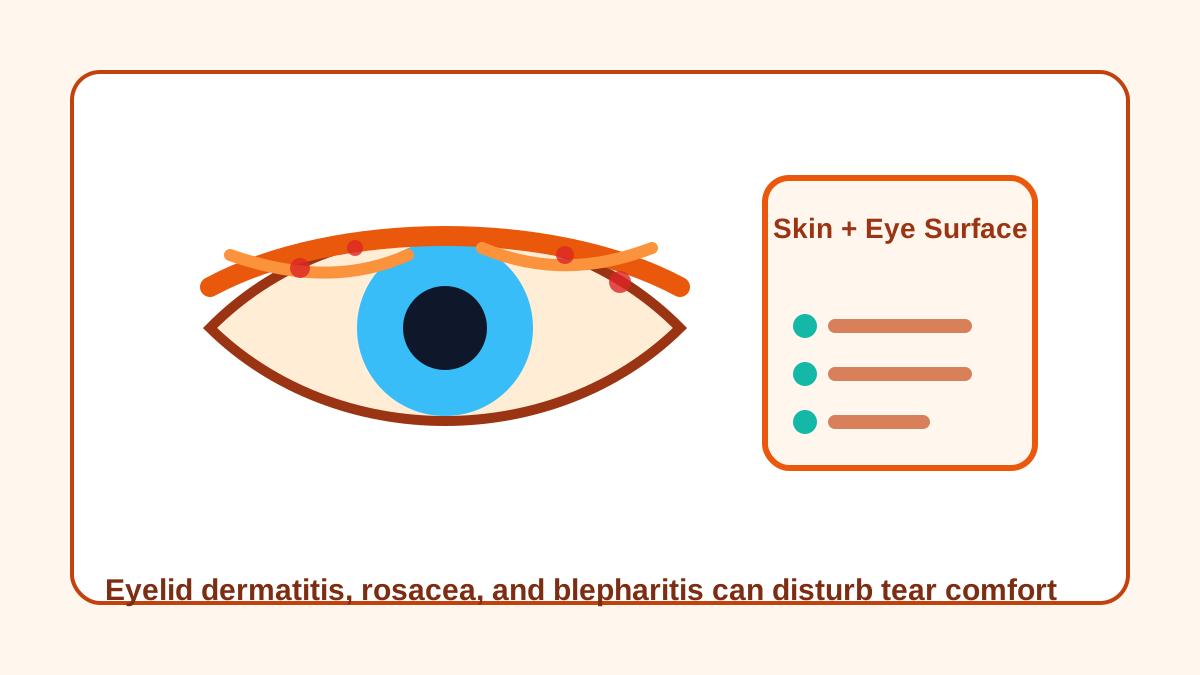
The skin around the eyes is thin, sensitive, and closely connected to the ocular surface. A small amount of eyelid inflammation can make the eyes feel dry, gritty, itchy, watery, or unusually sensitive to light. This is why some patients move between dermatology and ophthalmology before the full picture becomes clear.
This article reviews common eyelid skin conditions that can affect eye comfort, and why coordinated care may be helpful when symptoms involve both the eyelid skin and the eye surface.
Why Eyelid Skin Affects the Eye
The eyelids protect the eye, spread the tear film, and contain oil glands that help reduce tear evaporation. When eyelid skin is inflamed, swollen, crusted, or irritated, blinking may become less comfortable and the tear film may become unstable.
Patients may describe burning, foreign body sensation, redness, watering, crusting at the lash line, or recurrent irritation after cosmetics, creams, hair products, or environmental exposure.
Common Dermatology Conditions Around the Eyes
- Eyelid eczema or atopic dermatitis
- Allergic contact dermatitis from cosmetics, nail products, fragrances, or eye drops
- Seborrheic dermatitis affecting the eyebrows, eyelids, or scalp
- Rosacea with eyelid margin inflammation
- Periorificial dermatitis around the eyes
- Irritant dermatitis from over-cleansing or frequent rubbing
These conditions can look similar to a simple eye allergy or dry eye flare. A careful history of skin products, eye drops, occupation, hobbies, and timing of symptoms often helps identify the trigger.
Rosacea, Blepharitis, and Dry Eye
Rosacea is usually thought of as a facial skin condition, but it can also affect the eyelids and ocular surface. Patients may notice eyelid redness, recurrent styes, crusting, gritty eyes, or dryness that does not fully improve with artificial tears alone.
Blepharitis and meibomian gland dysfunction can overlap with rosacea. In these cases, treatment may include eyelid hygiene, warm compresses, tear support, and targeted medical therapy when needed. Dermatology care can also help control the facial inflammation that contributes to the eye symptoms.
When to Seek Medical Advice
Book an eye or dermatology assessment if eyelid redness, itching, swelling, crusting, or dryness keeps returning, especially if it affects contact lens wear, reading, screen use, or sleep. Medical advice is also important if symptoms appear after starting a new cosmetic, skin cream, eye drop, or medication.
Seek urgent eye care if there is eye pain, reduced vision, severe light sensitivity, a painful red eye, a spreading infection, new blisters near the eye, or swelling that makes it difficult to open the eye.
Safe Habits for Sensitive Eyelids
- Avoid rubbing the eyelids
- Stop new cosmetics or creams if symptoms started soon after use
- Use fragrance-free products around the eyes when possible
- Remove makeup gently and completely
- Do not use steroid creams near the eyes unless prescribed
- Replace old eye makeup and avoid sharing cosmetics
- Keep follow-up visits if symptoms are recurrent
Steroid creams near the eyes can be helpful in selected cases, but unsupervised use may carry risks. Treatment should be matched to the diagnosis, severity, and eye findings.
Coordinated Care Matters
Some patients need both perspectives: the dermatologist evaluates the skin barrier, triggers, allergies, and inflammatory skin disease, while the ophthalmologist evaluates the ocular surface, eyelid margin, tear film, and eye safety.
For dermatology care and further patient information from Dr Islam El Helou, visit www.drislamelhelou.com.
Takeaway
Eyelid skin problems are not only cosmetic. They can influence blinking, tear stability, comfort, and sometimes vision quality. If irritation keeps returning, a combined skin-and-eye approach can lead to a clearer diagnosis and a safer treatment plan.