
Dry Eye and Screen Time: Why Your Eyes Burn After Work
Learn why digital screen use can worsen dry eye, burning, blurry vision, and eye fatigue, plus practical treatment and prevention tips.
Author: Abdalla Eye Clinic Editorial Team
May 3, 2026
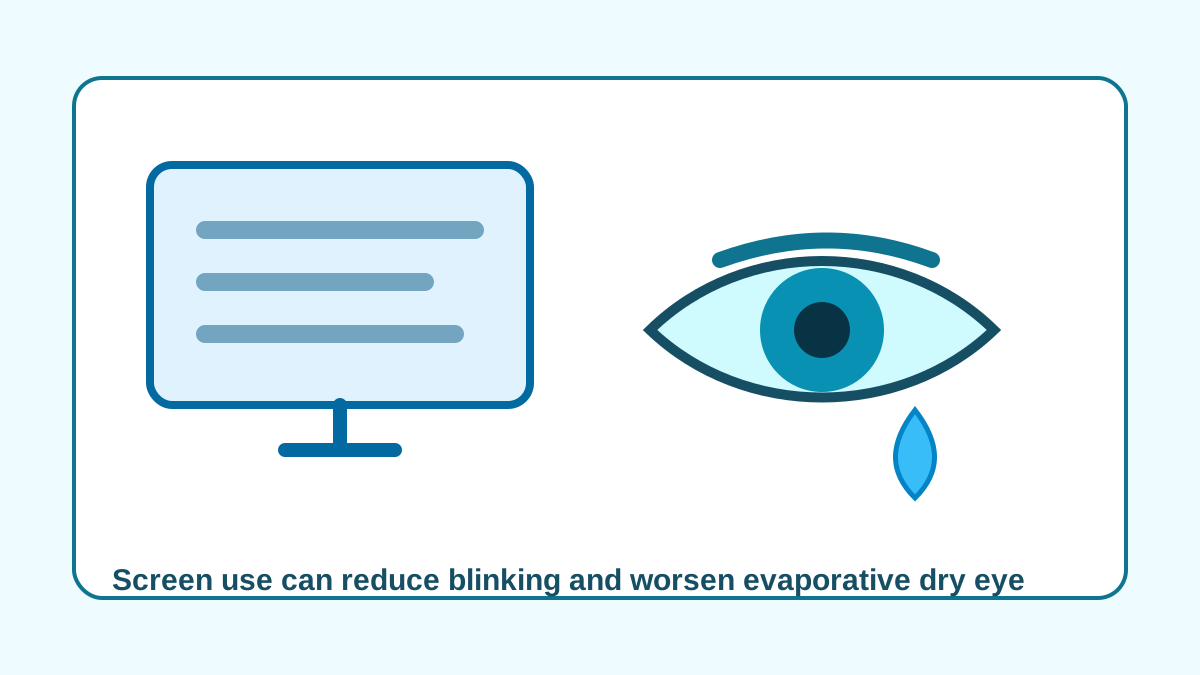
Dry eye is one of the most common reasons people search for eye care advice. Many patients describe burning, stinging, watery eyes, blurry vision that comes and goes, or a heavy tired feeling after computer work.
Screen time does not usually damage the eye structure directly, but it changes eye behavior. People blink less often and less completely when concentrating on a phone, laptop, or tablet. Less blinking means the tear film breaks up faster, which can make the eye surface feel dry and irritated.
Common Symptoms
- Burning or stinging eyes
- Blurry vision that improves after blinking
- Watering despite feeling dry
- Redness after screen use
- Contact lens discomfort
- Sensitivity to air conditioning or fans
- Tired eyes near the end of the workday
These symptoms may overlap with allergy, blepharitis, meibomian gland dysfunction, uncorrected glasses prescription, or medication-related dryness. A proper eye exam helps separate the causes.
Why Screens Make Dry Eye Worse
When you read or watch a screen, your blink rate drops. The tear film becomes unstable and evaporates more quickly. This is especially noticeable in air-conditioned rooms, dry weather, long driving, or work setups where the screen is above eye level.
Some people also have eyelid oil gland problems. If the oil layer of the tears is weak, tears evaporate faster even if the eyes are producing enough watery tears.
Practical Treatment Steps
- Follow the 20-20-20 rule during screen work
- Keep the screen slightly below eye level
- Blink fully and deliberately during long tasks
- Use preservative-free lubricating drops when recommended
- Avoid direct fan or air-conditioner airflow to the face
- Treat eyelid inflammation if blepharitis is present
- Review contact lens fit if dryness is worse with lenses
Do not use redness-relief drops frequently unless your doctor recommends them. They may hide irritation without treating the underlying dry eye problem.
When to Book an Eye Exam
Schedule an exam if dry eye symptoms are frequent, one-sided, painful, associated with reduced vision, or not improving with simple changes. Dry eye treatment works best when the exact pattern is identified: evaporative dry eye, aqueous tear deficiency, allergy, eyelid inflammation, or a mixed picture.
Takeaway
Dry eye treatment is not only about drops. Good screen habits, eyelid health, tear film support, and the right diagnosis all matter. If burning or fluctuating vision is affecting your work, a tailored treatment plan can make screen time much more comfortable.